
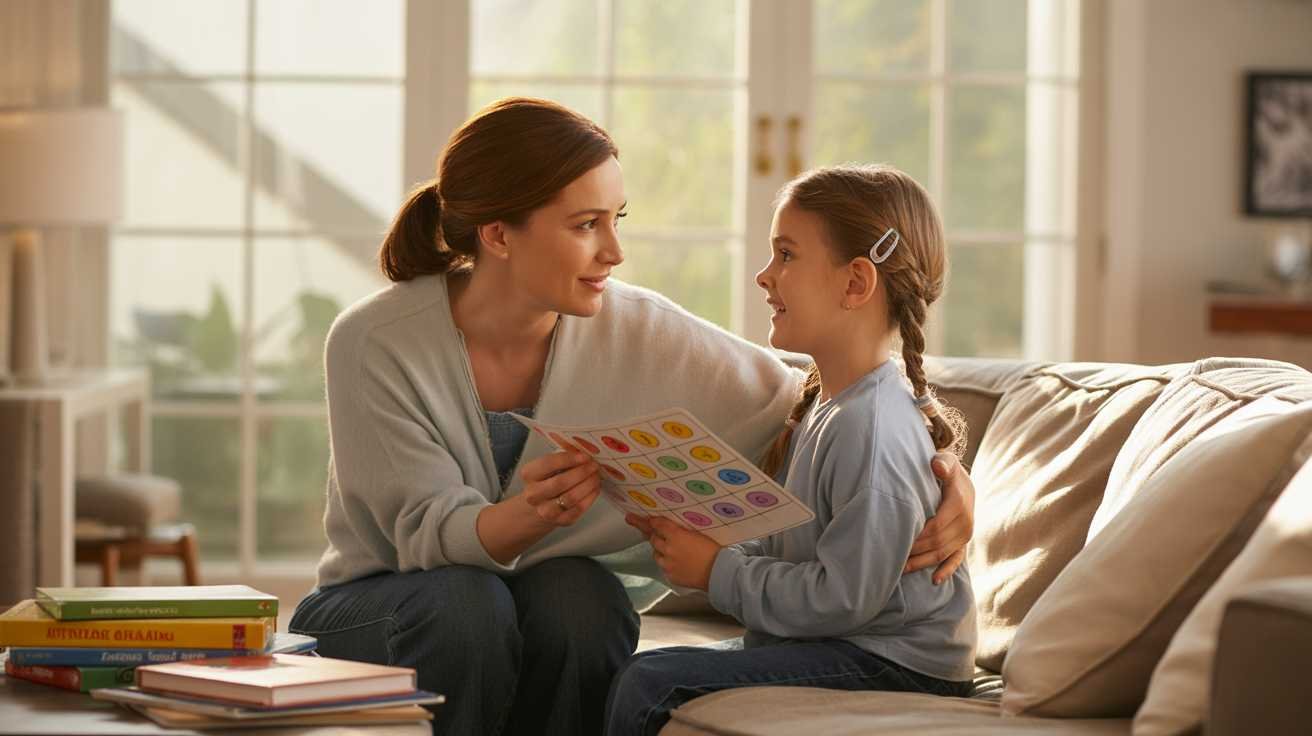
The Urgent Need for Emotional Intelligence in Modern Education
In today’s fast-paced, hyper-connected world, emotional intelligence (EI) is no longer a luxury – it is an absolute necessity. Parents often focus heavily on academic achievements, standardized test scores, and extracurricular accolades, yet the hidden, transformative power of EI remains overlooked. Imagine a classroom where children navigate social interactions with empathy, resilience, and self-awareness, instead of confusion, conflict, or anxiety. This is not a distant ideal; it is a critical moment for families to seize. Each day that passes without actively nurturing emotional intelligence is a missed opportunity to equip children with the tools to thrive. Research from the Harvard Graduate School of Education emphasizes that children with high EI demonstrate significantly better stress management, conflict resolution skills, and academic performance, making the development of EI a core priority in any child’s journey in education. Parents must recognize the urgency: the sooner they engage, the more profound the lifelong impact.
Understanding Emotional Intelligence and Its Core Components
Emotional intelligence is far more than a buzzword; it is a complex set of abilities that allow children to understand their own emotions, read the emotions of others, and respond appropriately. EI consists of self-awareness, self-regulation, motivation, empathy, and social skills – each a crucial piece in the puzzle of personal and professional success. Visualize a child in a bustling school cafeteria, surrounded by laughter, chatter, and a kaleidoscope of emotions. A child with developed EI navigates this environment gracefully, recognizing when a friend is feeling left out, calming their own rising frustration, and choosing words that foster connection rather than conflict. For parents, this awareness provides a tangible roadmap: conversations, modeling behavior, and guided reflection are not optional – they are essential. The journey in education begins not just in the classroom but at the kitchen table, in the playground, and during bedtime stories, where emotions are named, explored, and celebrated.
Creating a Safe Emotional Environment at Home
The foundation of emotional intelligence begins at home, where children first learn to trust, express, and manage their feelings. A home that prioritizes emotional safety is one where children can cry without judgment, celebrate small victories, and express frustration without fear of reprimand. Consider the texture of this environment: the warm glow of evening lights, the comforting hum of family conversation, the soft touch of a reassuring hand on a shoulder. In such a space, children naturally practice empathy, reflection, and emotional regulation. Parents can amplify this effect by deliberately labeling emotions, asking open-ended questions, and sharing their own feelings honestly. This active engagement is crucial in shaping the journey in education because children who experience emotional safety at home carry these skills into classrooms, peer groups, and eventually, professional environments. Missing this step risks leaving children unprepared for complex social dynamics, creating a sense of urgency for parents to act now.
Modeling Emotional Intelligence in Everyday Interactions
Children are remarkably perceptive, absorbing not just words but the subtle tone, posture, and expressions of adults around them. When parents consciously demonstrate emotional intelligence, they provide a living blueprint for children to emulate. Imagine a tense moment in traffic: a parent takes a deep breath, calmly expresses frustration without aggression, and models problem-solving. The child witnesses firsthand how emotions can be managed constructively rather than explosively. Repeated exposure to such examples strengthens the neural pathways associated with empathy, impulse control, and social awareness. Real-world data from the Collaborative for Academic, Social, and Emotional Learning (CASEL) confirms that consistent parental modeling is one of the most effective predictors of children’s EI development. In the context of the journey in education, modeling emotional intelligence ensures that children approach teachers, classmates, and challenges with a sense of confidence and emotional clarity that cannot be achieved through textbooks alone.
Practical Strategies for Building Self-Awareness
Self-awareness is the cornerstone of emotional intelligence. Without it, children struggle to recognize their emotions, understand triggers, or appreciate the perspectives of others. Parents can cultivate this vital skill through deliberate, interactive practices. Journaling, mood charts, reflective questioning, and mindful breathing exercises transform abstract feelings into concrete understanding. Picture a child pausing during homework to note their irritation, tracing its origin to fatigue rather than peer conflict. This moment of reflection is a powerful step in the journey in education, reinforcing not just academic performance but overall mental health. Beyond structured exercises, everyday conversations provide opportunities for self-awareness. Parents who ask, “How did that make you feel?” or “What do you think caused that reaction?” guide children in mapping their emotional landscape. The consequences of neglecting this skill are stark: children without self-awareness may act impulsively, misinterpret social cues, or experience chronic stress. The urgency for parents to integrate these practices into daily routines cannot be overstated.
Encouraging Empathy and Compassion in Children
Empathy is the emotional glue that binds individuals, communities, and societies together. Children who understand and share the feelings of others are more likely to build meaningful relationships, resolve conflicts peacefully, and navigate complex social environments. Visualize a playground scenario: a child notices another child sitting alone, frowns with concern, and approaches with a kind word or gesture. This simple act reflects a deeply internalized sense of empathy, cultivated through years of guided practice. Parents can foster empathy by reading diverse stories, discussing perspectives, and encouraging volunteering or helping behaviors. The stakes are high: children who fail to develop empathy often experience social isolation, misunderstandings, and missed opportunities. In terms of the journey in education, empathy enhances classroom dynamics, teamwork, and collaborative learning, making it an essential skill for academic and personal success.
Integrating Emotional Intelligence into Daily Routines
Emotional intelligence does not exist in a vacuum; it thrives when integrated seamlessly into daily life. Morning routines, mealtimes, commute experiences, and bedtime rituals all present golden opportunities for practice. Imagine the sensory richness of a morning breakfast: the scent of toast, the laughter of siblings, the warmth of a sunlit kitchen. Parents can leverage these moments by encouraging expression, recognition of feelings, and problem-solving discussions. Even seemingly mundane tasks, such as planning a family outing or resolving a sibling disagreement, become laboratories for EI skill development. By embedding emotional learning into routines, parents ensure that the journey in education extends beyond formal schooling into the lived experiences of everyday life, creating a holistic, consistent, and deeply ingrained mastery of emotional intelligence.
The Role of Technology and Digital Tools in EI Development
In the digital age, technology can either hinder or enhance emotional intelligence. Thoughtfully chosen apps, online programs, and interactive tools can provide children with simulations, reflective exercises, and gamified emotional learning experiences. Picture a child interacting with a digital empathy game, navigating scenarios where virtual characters express complex emotions, prompting the child to identify, respond, and adapt. Parents must monitor, guide, and participate in these experiences to ensure they reinforce real-world emotional skills rather than isolate or overstimulate. Research indicates that structured digital programs with verified licensing and security measures, responsive customer support, and documented efficacy can significantly enhance EI development. Incorporating technology into the journey in education offers a unique, modernized approach that meets children where they are, while maintaining parental oversight and active engagement.
Collaborating with Educators and Professionals
Parents do not have to navigate the emotional intelligence journey alone. Collaboration with teachers, school counselors, child psychologists, and educational coaches amplifies the impact of home-based strategies. Imagine weekly check-ins where a parent and teacher exchange observations, identify emotional growth areas, and co-create actionable strategies. This partnership ensures that children experience consistency, reinforcement, and expert guidance across environments. Verified case studies from educational institutions show that children whose parents actively collaborate with educators demonstrate higher resilience, stronger social skills, and improved academic outcomes. By integrating professional insights into the journey in education, parents secure an evidence-based, supported, and results-driven path for their child’s emotional growth, leaving no room for procrastination or missed opportunities.
Taking Immediate Action to Secure Lifelong Benefits
The window for cultivating emotional intelligence is fleeting, and the consequences of delay are profound. Parents who act decisively provide children with skills that translate into lifelong success, stronger relationships, and better mental health. Begin today: start conversations about feelings, model self-regulation, explore empathy-building activities, integrate EI into routines, leverage verified digital tools, and partner with educational professionals. Each deliberate step accelerates the journey in education, ensuring that children do not miss out on essential personal development. For parents eager to maximize results, trusted resources like reputable emotional intelligence programs offer structured guidance, secure platforms, verified outcomes, and responsive customer support, making immediate action not only possible but urgent. Do not wait for tomorrow; the best time to invest in your child’s emotional future is now.
If you want to foster a vibrant atmosphere for creativity and self-expression, consider integrating approaches from nmu general education to enhance problem-solving skills in your daily activities.
If you want to foster a nurturing environment at home, explore our essential strategies for guiding your child’s growth; for a deeper understanding, check out our Meta Title that outlines practical tips for encouraging independence, responsibility, and positive behavior.
