
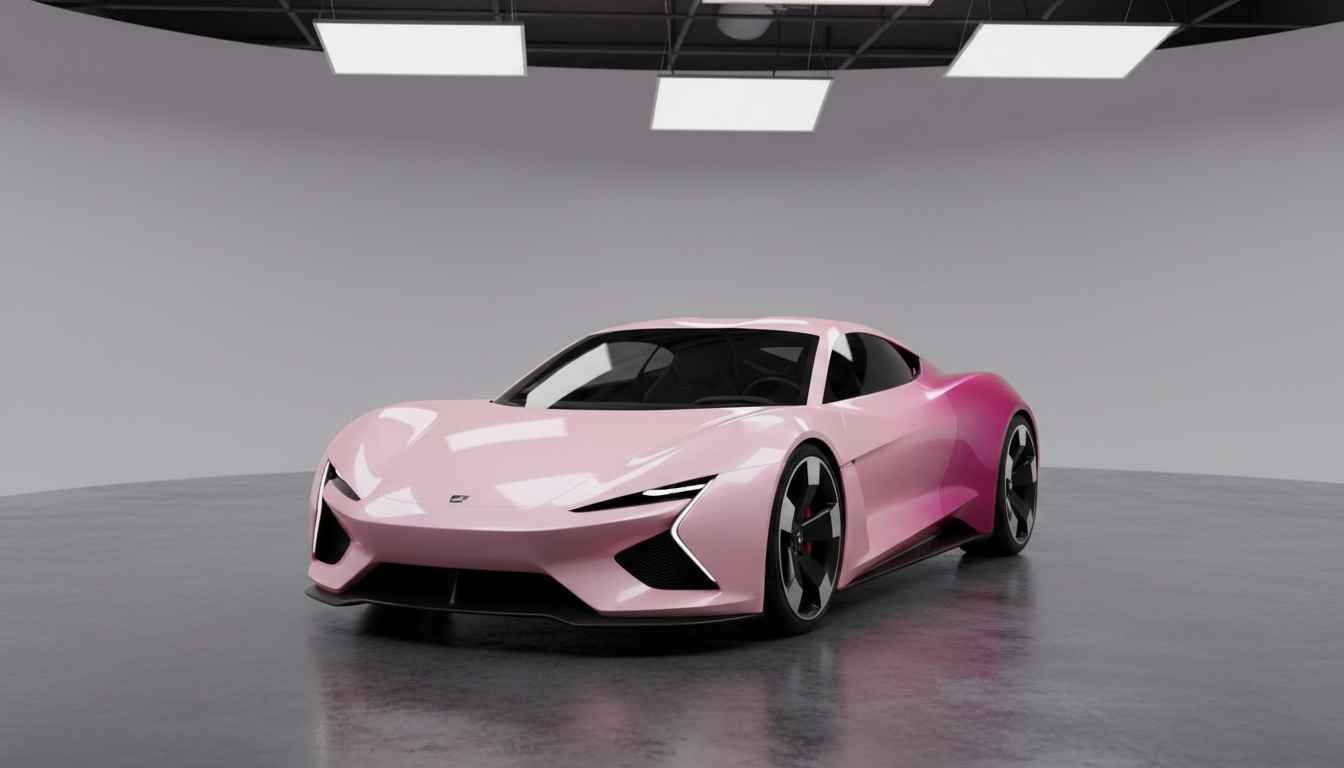
The sharp scent of fresh automotive paint fills the air as sunlight glints off a glossy fender, highlighting the subtle shimmer embedded within a soft pink hue. Pink car paint has long walked a fine line between bold statement and delicate charm, capturing attention with its unique vibrancy. Tracing its evolution provides not only an aesthetic journey but also a technological one, showing how paint innovation and cultural trends intersect on the road.
Early Experiments with Pink Hues
The story of pink car paint begins in the 1950s, an era defined by post-war optimism and flamboyant automotive design. Early pinks were pastel tones, heavily influenced by the popularity of pink in fashion and interior design. Automakers like Ford and Cadillac introduced limited editions in soft pinks, though these colors were often criticized for being too delicate for mainstream buyers. The paint technology of the time relied on basic enamel formulations, which meant the colors often faded quickly under sunlight and required frequent maintenance.
These initial experiments were as much cultural statements as technical ones. Pink became associated with femininity and luxury, though its use was mostly ornamental. While these pastel shades are considered retro today, at the time, they were groundbreaking, signaling a shift toward more expressive automotive styling.
The Bold Transition in the 1970s
By the 1970s, car paint technology had advanced with the introduction of acrylic lacquers and metallic pigments. Pink was no longer confined to subtle pastels; vibrant magentas and bubblegum shades emerged, reflecting the era’s countercultural movements. Muscle cars and custom vehicles embraced these new pigments, giving pink a rebellious edge. This period also marked the rise of DIY culture, with enthusiasts experimenting with homemade pink shades, leading to highly personalized vehicles.
During this decade, pink became both a symbol of individuality and a marker of automotive artistry. Specialty auto shops began offering custom pink paint jobs with pearlescent effects, a technique that allowed the color to change subtly under different lighting conditions. This innovation laid the groundwork for modern finishes that combine depth and reflectivity.
The 1980s and 1990s: Mainstream Acceptance
In the 1980s, automakers started producing more standardized pink options. Metallic finishes became more sophisticated thanks to improvements in solvent-based paints and clear coat applications. Iconic models from this era, including select Cadillacs and convertibles, were offered in rose pinks that retained vibrancy while providing durability against UV exposure and road wear. The trend continued into the 1990s, with automakers and custom shops leveraging advanced pigments and layering techniques to create richer, deeper pinks.
This period also saw the influence of Japanese automotive culture, where bright and unconventional colors were embraced in the tuner scene. Pink began to carry a new identity: not just feminine, but sporty, adventurous, and expressive. The technology supporting these paints became more precise, reducing the risk of uneven coverage and fading, thus making pink a viable choice for everyday vehicles.
Modern Innovations in Pink Car Paint Colours
Today, pink car paint is both a stylistic and technological marvel. Modern formulations include multi-layered pearlescent paints, candy finishes, and metallic flakes that provide depth and luminosity far beyond what early 20th-century pigments could achieve. High-performance clear coats now protect against UV degradation, chemical stains, and minor abrasions, ensuring that even the most delicate pinks remain vibrant for years.
The rise of environmentally conscious automotive practices has also influenced pink paints. Waterborne and low-VOC formulations are now standard in professional shops, allowing for stunning pink shades without compromising air quality or safety. Customization options are nearly limitless, with gradient finishes, iridescent coatings, and even thermochromic pigments that shift with temperature.
For enthusiasts looking for high-quality paint supplies or expert guidance, resources like KINGART offer materials suitable for both professional applications and hobbyist experimentation, making it easier than ever to explore the full spectrum of pink automotive finishes.
Reality Check: Expectation vs Reality
Expectation: A soft pink car will exude charm, elegance, and timeless appeal with minimal effort. Reality: Maintaining a pink vehicle requires regular cleaning, protection from UV light, and attention to scratches or chips that are more visible on lighter shades. Furthermore, not all pinks are created equal – metallic and pearlescent finishes can dramatically change under different lighting, which might surprise first-time buyers. Professional advice and high-quality materials are essential to achieving the desired look and durability.
Who Should Avoid Pink Car Paint Colours?
While pink can make a striking statement, it is not for everyone. Drivers seeking a low-maintenance, understated vehicle might find pink requires more care than neutral shades. Additionally, resale value may be affected depending on market demand, as pink remains a niche choice compared to traditional blacks, whites, and silvers. Enthusiasts should also consider how a pink car aligns with personal branding or regional preferences, as reactions can vary significantly.
The Future of Pink Automotive Finishes
Advances in nanotechnology and smart pigments promise a new era for pink car paints. Imagine coatings that can self-heal minor scratches, adjust hue under different lighting, or even reflect heat to improve energy efficiency. These innovations will allow pink to remain a bold yet practical choice for decades to come, marrying artistry with functionality. As automotive design continues to embrace customization, pink will likely evolve from a daring statement to a sophisticated option for discerning drivers.
From pastel dreams in the 1950s to high-tech pearlescent marvels today, pink car paint colours have proven to be more than just a fad – they are a testament to the intersection of culture, technology, and creativity on wheels. Choosing pink is a statement, one that demands both an eye for style and an understanding of the science behind modern automotive finishes.
