In today’s rapidly evolving educational landscape, the urgency to adapt teaching methods to cater to diverse learning styles has never been more critical. The traditional one-size-fits-all approach is no longer sufficient. Educators must embrace innovative strategies to ensure every student is engaged and empowered. This article delves into practical strategies that leverage the expertise of education technology influencers to create dynamic learning environments that resonate with all students.
Understanding Diverse Learning Styles
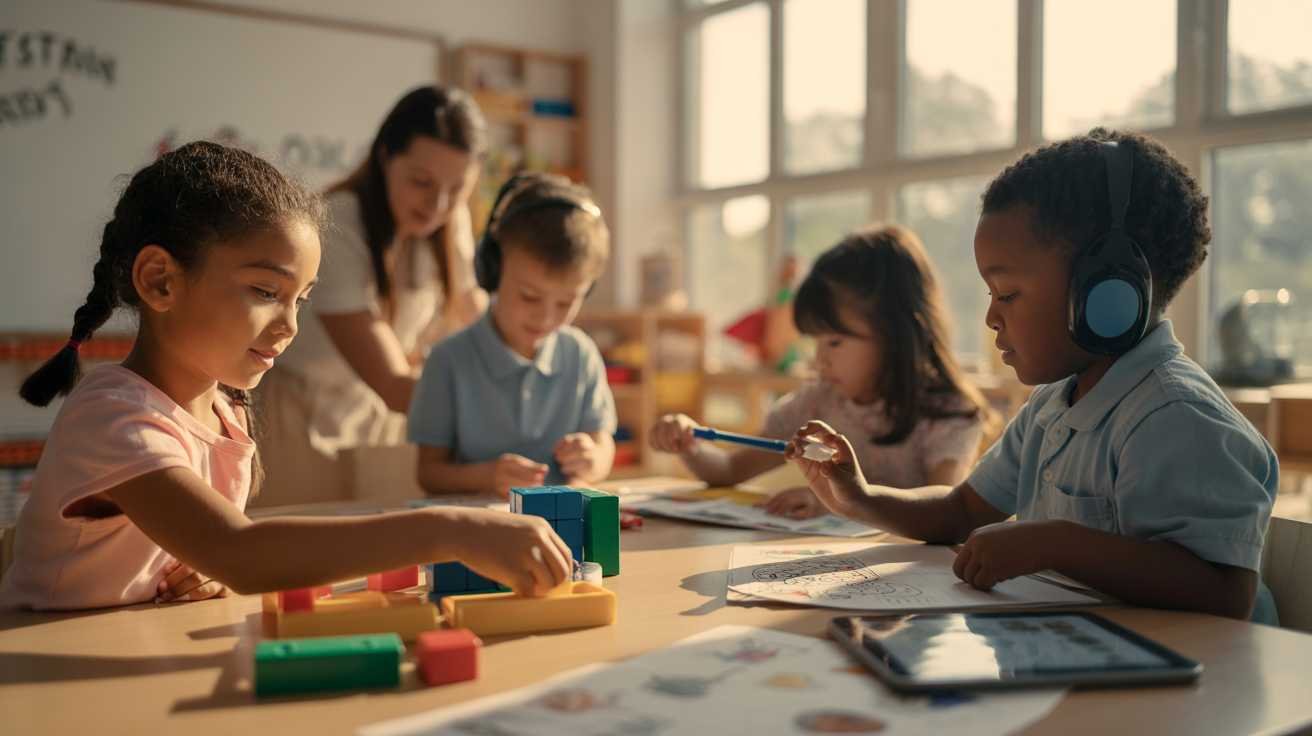
Every student brings a unique set of preferences and strengths to the classroom. Recognizing and understanding these varied learning styles is the first step toward fostering an inclusive educational environment. Visual learners grasp information best through images, diagrams, and written instructions. Auditory learners excel when they can listen to explanations and engage in discussions. Kinesthetic learners thrive on hands-on activities and movement. By identifying these learning preferences, educators can tailor their teaching methods to meet the needs of each student, ensuring no one is left behind.
Education technology influencers have been at the forefront of advocating for personalized learning experiences. Their insights have illuminated the importance of adapting teaching strategies to accommodate diverse learning styles. By integrating technology tools that support various modalities, educators can create a more inclusive and effective learning environment. This approach not only enhances student engagement but also promotes deeper understanding and retention of knowledge.
Leveraging Technology to Enhance Engagement
Technology has revolutionized the way we approach education. From interactive simulations to virtual reality experiences, the possibilities are endless. By incorporating these technological tools into the curriculum, educators can create immersive learning experiences that captivate students’ attention and stimulate their curiosity. For instance, virtual field trips allow students to explore historical sites or distant planets without leaving the classroom, providing a rich, contextual learning experience.
Education technology influencers have highlighted the transformative power of digital tools in education. Their expertise has guided educators in selecting and implementing technology solutions that align with learning objectives and cater to diverse learning styles. By staying informed about the latest technological advancements and best practices, educators can continually enhance their teaching methods and provide students with engaging, relevant learning experiences.
Implementing Active Learning Strategies
Active learning shifts the focus from passive receipt of information to active participation in the learning process. Strategies such as group discussions, problem-solving tasks, and interactive projects encourage students to engage critically with the material. These activities not only deepen understanding but also promote collaboration and communication skills among students.
Education technology influencers have emphasized the importance of active learning in modern education. Their insights have led to the development of digital platforms that facilitate collaborative learning and real-time feedback. By integrating these platforms into the classroom, educators can foster a more interactive and engaging learning environment that caters to the diverse needs of students.
Utilizing Gamification to Motivate Students
Gamification introduces game-like elements into the learning process, making education more engaging and enjoyable. By incorporating elements such as point systems, leaderboards, and achievement badges, educators can motivate students to take an active role in their learning journey. This approach taps into students’ natural competitive spirit and desire for recognition, driving them to strive for excellence.
Education technology influencers have been instrumental in promoting gamification as an effective teaching strategy. Their advocacy has led to the development of educational games and platforms that align with curriculum standards and learning objectives. By leveraging these resources, educators can create a dynamic learning environment that motivates students and enhances their educational experience.
Personalizing Learning Paths
Personalized learning recognizes that each student has unique needs, interests, and learning paces. By tailoring instructional content and assessments to individual students, educators can provide a more effective and meaningful learning experience. Adaptive learning technologies play a crucial role in this process, adjusting the difficulty level of tasks based on student performance and providing targeted support where needed.
Education technology influencers have championed the use of adaptive learning technologies to personalize education. Their insights have guided the development of platforms that offer customized learning experiences, allowing students to progress at their own pace and focus on areas where they need improvement. By embracing personalized learning paths, educators can ensure that all students receive the support and challenges they need to succeed.
Fostering a Collaborative Learning Environment
Collaboration is a key component of modern education. By encouraging students to work together on projects and assignments, educators can promote the development of teamwork and problem-solving skills. Collaborative learning also exposes students to diverse perspectives, enriching their understanding of the material and preparing them for real-world challenges.
Education technology influencers have highlighted the benefits of collaborative learning in the digital age. Their advocacy has led to the creation of online platforms that facilitate group work and communication among students. By integrating these platforms into the classroom, educators can create a collaborative learning environment that mirrors the interconnected world students will navigate after graduation.
Incorporating Real-World Applications
Connecting classroom learning to real-world applications enhances student engagement and demonstrates the relevance of their education. By integrating case studies, industry projects, and guest speakers into the curriculum, educators can provide students with practical insights and experiences that bridge the gap between theory and practice.
Education technology influencers have emphasized the importance of real-world connections in education. Their insights have led to the development of platforms that connect students with professionals and experts in various fields. By leveraging these resources, educators can provide students with authentic learning experiences that prepare them for future careers and challenges.
Assessing Student Progress Effectively
Assessment is a vital component of the learning process. However, traditional testing methods may not accurately reflect a student’s understanding or abilities. Alternative assessment strategies, such as project-based assessments, peer reviews, and self-assessments, provide a more comprehensive picture of student progress and encourage deeper engagement with the material.
Education technology influencers have advocated for innovative assessment methods that go beyond traditional testing. Their insights have led to the development of digital tools that facilitate alternative assessments, allowing educators to evaluate student progress in more meaningful ways. By adopting these tools, educators can gain a more accurate understanding of student learning and provide timely feedback to support their development.
Staying Informed and Continuously Improving
The field of education is constantly evolving, with new research, technologies, and strategies emerging regularly. To remain effective, educators must commit to continuous professional development and stay informed about the latest trends and best practices. Engaging with education technology influencers, attending conferences, and participating in professional learning communities are excellent ways to stay current and enhance teaching practices.
Education technology influencers play a crucial role in shaping the future of education. Their expertise and insights provide valuable guidance for educators seeking to improve their teaching methods and better serve their students. By following these influencers and engaging with their content, educators can gain inspiration and practical strategies to implement in their classrooms.
If you want to enhance your teaching strategies, incorporating an education mural can provide visual insights into student progress and understanding.
