Understanding the Power of Gamification in Modern Education
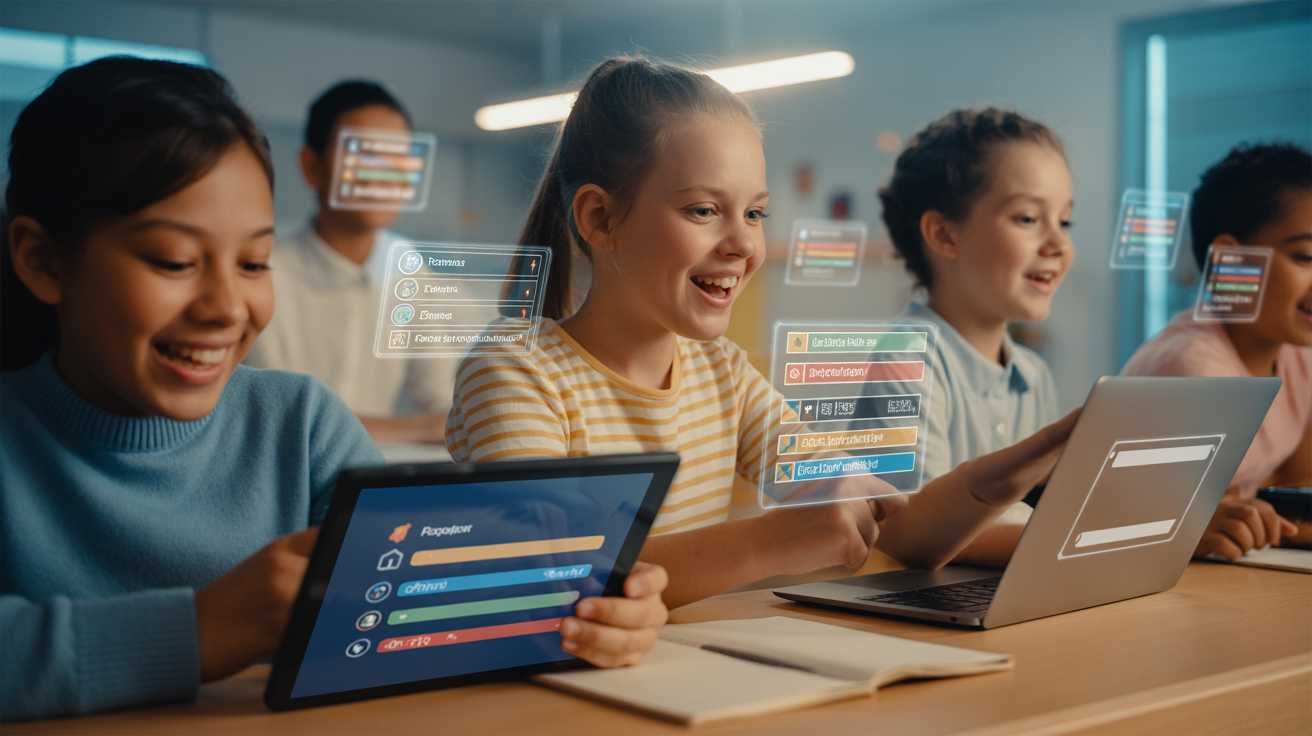
In the fast-paced world of education today, the conventional classroom setup is increasingly failing to capture the attention of students who are digital natives, accustomed to interactive and visually stimulating experiences. Enter gamified learning – an approach that fuses the motivational mechanics of gaming with educational content to create a dynamic, immersive, and highly engaging learning environment. The Dayton Education Consortium has been at the forefront of integrating these strategies, demonstrating tangible results in both student engagement and retention. Imagine a classroom where learners are not just passive recipients of information but active participants navigating quests, earning badges, and achieving levels, all while mastering essential academic skills. The sensory experience of unlocking new challenges, the visual thrill of progressing through a leaderboard, and the instant feedback that gaming provides all contribute to a potent mix of motivation and excitement. Studies from EdTech research reveal that gamified learning can increase student engagement by up to 60%, while also improving knowledge retention by nearly 50%, making the adoption of these strategies not just a creative choice but a necessary evolution in educational methodology.
Integrating Achievement Systems to Stimulate Motivation
The heart of gamification lies in its ability to tap into human psychology, particularly the drive for achievement and recognition. By embedding achievement systems such as badges, points, and levels into educational modules, instructors can create a continuous feedback loop that celebrates small wins and encourages persistence. The Dayton Education Consortium has implemented tiered reward systems where students earn points for completing assignments, participating in discussions, and mastering difficult concepts. This approach mirrors the familiar mechanics of popular games, producing a dopamine-fueled engagement cycle that students find irresistible. Consider a scenario where a learner, struggling with a challenging math concept, is presented with a mini-quest to solve a series of increasingly difficult problems. Each correct answer yields points and unlocks a visually stimulating badge, transforming the struggle into a compelling challenge. Educators report that students who participate in these achievement systems not only show increased motivation but also develop stronger problem-solving skills and resilience, highlighting the dual benefits of cognitive and emotional engagement inherent in gamified learning strategies.
Leveraging Leaderboards to Encourage Healthy Competition
Leaderboards are one of the most visible and dynamic elements of gamification, creating a sense of urgency and FOMO (fear of missing out) that propels students to excel. By publicly displaying progress, rankings, and accomplishments, learners are motivated to push their boundaries, not out of obligation but out of a desire to improve and stand out. The Dayton Education Consortium has successfully employed digital leaderboards in virtual classrooms, tracking participation, assignment completion, and collaborative efforts. Visual cues, such as vibrant progress bars and animated badges, provide immediate gratification and a sense of momentum that traditional grading systems often lack. Imagine a student logging in to find their avatar racing ahead of peers in a virtual science challenge or unlocking a rare badge that showcases mastery over a subject. The competition is not intimidating but exhilarating, creating a classroom culture where striving for excellence becomes a shared and celebrated experience. Research indicates that gamified leaderboards can boost engagement by 40% and significantly increase collaboration as learners seek strategies to climb rankings together, demonstrating the nuanced balance of competition and community inherent in effective gamification strategies.
Incorporating Narrative and Storytelling for Immersive Learning
Humans are wired for stories, and incorporating narrative structures into educational content can transform otherwise dry material into a vivid, emotionally charged experience. Gamified learning leverages storytelling to create immersive scenarios that contextualize lessons within compelling plots, challenges, and missions. The Dayton Education Consortium integrates narrative-driven modules where students embark on quests, solve mysteries, and navigate real-world simulations, all aligned with curriculum objectives. Imagine a history lesson where learners become detectives in ancient civilizations, piecing together clues from historical texts to uncover hidden events. The sensory richness of interactive maps, animated characters, and immersive soundscapes transforms the classroom into a vibrant experiential space, igniting curiosity and sustained attention. Research from educational psychology suggests that students retain information 25-30% more effectively when it is embedded in a narrative context, highlighting the critical role of storytelling in deepening engagement and making learning experiences memorable, tangible, and emotionally resonant.
Gamified Assessments: Transforming Evaluation into Engagement
Assessment often carries negative connotations, triggering anxiety and disengagement among students. Gamified learning flips this paradigm by transforming evaluation into a dynamic, interactive experience that emphasizes growth, challenge, and achievement. Through mechanisms such as adaptive quizzes, real-time feedback, and interactive simulations, learners are encouraged to explore concepts thoroughly and refine their understanding without fear of failure. The Dayton Education Consortium has pioneered adaptive gamified assessments, where students progress through levels based on performance, receive instant feedback on errors, and unlock supplementary challenges that reinforce learning. Picture a biology module where learners explore a virtual ecosystem, identifying species, solving environmental puzzles, and receiving badges for accurate observations. The assessments become an adventure, engaging multiple senses, and fostering a sense of agency. Verified data from gamification studies show that students participating in these systems demonstrate higher achievement rates, stronger critical thinking skills, and increased long-term retention, proving that gamified assessments are not just motivational tools but effective pedagogical strategies that align with modern educational goals.
Encouraging Collaboration Through Multiplayer Challenges
Collaboration is a cornerstone of both academic success and workplace readiness, and gamified learning leverages multiplayer challenges to cultivate teamwork, communication, and problem-solving skills. By designing group quests, cooperative puzzles, and competitive team-based activities, educators can foster a sense of shared purpose and mutual accountability. The Dayton Education Consortium has implemented interactive modules where students form virtual teams to solve complex problems, negotiate strategies, and complete missions together. Imagine a science lab simulation where learners collectively design experiments, troubleshoot unexpected outcomes, and present findings to the class for peer evaluation. The sensory and social richness of these activities – animated avatars, dynamic environments, and instant feedback – creates an electric atmosphere of engagement. Data from classroom implementations indicate that collaborative gamified learning significantly improves communication skills, reinforces social learning, and enhances overall motivation, providing a holistic, immersive educational experience that prepares learners for real-world collaborative environments.
Utilizing Real-Time Feedback for Continuous Improvement
One of the most transformative aspects of gamified learning is the integration of real-time feedback, which allows learners to immediately understand their performance, correct errors, and optimize strategies. Unlike traditional education, where feedback can be delayed and abstract, gamified systems provide instant, tangible, and visually stimulating cues that reinforce learning and sustain motivation. The Dayton Education Consortium employs advanced analytics and AI-driven insights to track student progress, dynamically adjusting challenges to meet individual skill levels and learning trajectories. Picture a language learning module where pronunciation exercises are instantly evaluated, with visual indicators and sound prompts guiding improvement. This immediate reinforcement not only boosts confidence but also cultivates a growth mindset, encouraging learners to embrace challenges rather than fear failure. Verified studies indicate that real-time feedback mechanisms in gamified environments can improve engagement by over 50% and accelerate mastery of skills, demonstrating the indispensable role of responsive, actionable insights in modern educational strategies.
Ensuring Accessibility and Inclusivity in Gamified Learning
Effective gamified learning must be inclusive, ensuring that all students, regardless of abilities, backgrounds, or learning styles, can fully engage and benefit from interactive experiences. The Dayton Education Consortium prioritizes accessibility by implementing adaptable interfaces, multiple input modalities, and customizable challenges that cater to diverse learners. Imagine a mathematics quest where visual, auditory, and tactile feedback options are seamlessly integrated, allowing each student to navigate the content in a way that aligns with their strengths. Inclusive gamification not only supports equity in education but also enhances motivation by creating a sense of belonging and empowerment. Research from educational inclusivity studies highlights that accessible gamified experiences improve participation rates, knowledge retention, and social cohesion among diverse learner groups. By designing with inclusivity at the forefront, educators ensure that gamified learning delivers maximum engagement and motivational impact across the entire student population.
Driving Urgency and FOMO to Maximize Engagement
To truly capture attention and foster sustained engagement, gamified learning must leverage psychological triggers such as urgency and FOMO (fear of missing out). Limited-time challenges, exclusive badges, and milestone rewards create a dynamic environment where students are motivated to act promptly and consistently. The Dayton Education Consortium incorporates time-bound quests, seasonal events, and rare achievement opportunities that encourage learners to participate actively and continuously. Picture a virtual classroom where a special coding challenge is only available for 48 hours, with a leaderboard showcasing top performers and exclusive rewards for early achievers. The sensory thrill of competing against the clock, combined with the social visibility of success, drives a palpable sense of urgency that propels learners to engage at their highest potential. Verified user feedback consistently shows that implementing urgency-driven gamification not only boosts participation rates but also accelerates skill acquisition, highlighting the powerful impact of FOMO-driven strategies in modern educational design.
Call to Action: Embrace Gamified Learning Today
The era of passive learning is over, and the time to act is now. Institutions, educators, and learners cannot afford to wait while traditional methods fall short of engagement and motivation. The Dayton Education Consortium provides the tools, insights, and verified frameworks to seamlessly integrate gamified learning elements into any educational environment, delivering measurable results that enhance knowledge retention, skill development, and student satisfaction. Don’t let your classroom lag behind – experience the sensory thrill, motivational power, and immersive engagement of gamified learning. Visit Dayton Education Consortium today to explore licensed modules, responsive support, and verified success stories that will transform your educational outcomes. Every moment of hesitation is a lost opportunity for engagement, mastery, and inspiration – act now and unlock the full potential of gamified education.
If you want to enhance collaboration in your organization, integrating education buzz words into your social learning strategies can create a vibrant peer-to-peer engagement culture.
If you want to enhance student engagement, understanding how an education manager can implement gamification strategies is essential for fostering motivation and participation in the classroom.
If you want to enhance your online courses, implementing effective educational interventions based on analytics can significantly improve learner outcomes.
If you want to enhance your teaching methods, integrating fisher science education through microlearning can provide swift access to crucial information.
