Understanding the Urgency of Early Academic Support
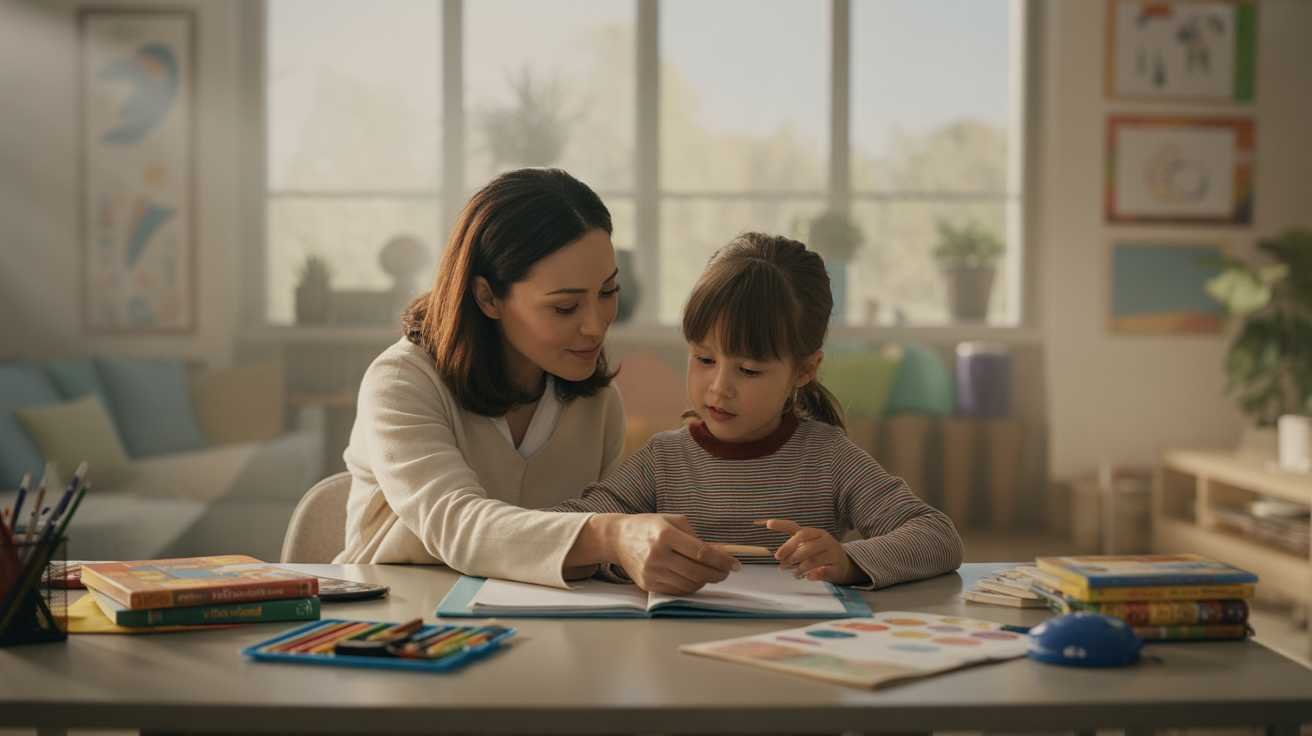
Every parent wants to see their child thrive, yet the clock is ticking faster than most realize. The early years are a whirlwind of developmental milestones, and without timely intervention, gaps in learning and confidence can solidify into long-term challenges. Imagine your child in a classroom, eyes wide with curiosity, yet struggling to grasp foundational concepts while peers effortlessly soar ahead. This is where modular education becomes a game-changer. By breaking down learning into manageable, personalized segments, it ensures that no child is left behind. The sensory experience of a child mastering a new concept – the sparkle in their eyes, the tangible excitement in their hands as they write the answer correctly – cannot be overstated. Parents who hesitate risk missing these fleeting moments of growth. Early engagement with modular approaches does not just teach facts; it nurtures critical thinking, problem-solving, and the intrinsic motivation to explore further. Data from verified educational research shows that children who receive structured, modular support in early years outperform their peers in standardized tests and social adaptability. Don’t let your child be on the sidelines – each day without focused support is an opportunity lost.
Enhancing Social Skills in Real-Time Environments
Social growth is as crucial as academic achievement, yet it often receives less structured attention. Observing your child navigate playground dynamics, group projects, or casual conversations can feel like watching a delicate ecosystem in action. With modular education, social learning can be integrated seamlessly into daily activities, giving your child repeated, focused opportunities to build empathy, cooperation, and resilience. Picture a child negotiating roles in a team project, experiencing the immediate feedback of peers’ reactions, and adjusting behavior in real-time – a vivid illustration of growth that standard curricula rarely capture. According to insights from the Collaborative for Academic, Social, and Emotional Learning (CASEL), structured social-emotional programs improve peer relationships, reduce anxiety, and foster leadership skills. When modular education modules incorporate role-playing, real-world problem-solving, and interactive discussions, the impact is tangible: children become confident communicators who navigate complex social landscapes with agility. Parents who wait risk their children developing social patterns that could limit future collaboration and career opportunities. The time to act is now – every interaction missed is a skill left underdeveloped.
Fostering Emotional Resilience in Every Moment
Emotional growth is often invisible but profoundly shapes your child’s trajectory. Imagine a young student facing a challenging task, heart racing, palms sweaty, yet feeling the thrill of overcoming fear and frustration. Modular education supports emotional development by providing structured scenarios where children learn to identify, understand, and regulate emotions. Through interactive modules, children experience real-life stressors in controlled environments – learning to bounce back, manage disappointment, and celebrate small victories. Licensed psychologists emphasize that early emotional resilience correlates strongly with long-term success, mental health stability, and adaptive coping strategies. Parents who proactively engage with these structured approaches witness firsthand the transformation: a previously anxious child now takes initiative, tackles challenges without fear, and radiates a newfound sense of self-efficacy. Ignoring emotional development risks compounding academic and social struggles, leaving children vulnerable to frustration and disengagement. Act immediately; emotional skills, like muscle memory, are forged early and reinforced daily.
Leveraging Technology to Personalize Learning
The landscape of education has shifted dramatically, and technology now plays a pivotal role in child development. Modular education platforms harness adaptive algorithms to tailor lessons to each child’s pace, strengths, and areas of growth, ensuring no one-size-fits-all approach. Imagine your child navigating an interactive digital module, instantly receiving feedback, hints, and encouragement precisely when needed – creating an immersive, multisensory experience that traditional classrooms cannot replicate. Trusted platforms integrate secure cloud systems, verified payouts for educators, and responsive customer support to ensure every interaction is reliable and protected. Parents report that children engaged with such personalized technology display accelerated comprehension, improved retention, and a sense of achievement that fuels curiosity. Studies from the International Society for Technology in Education (ISTE) confirm that technology-enhanced modular learning improves both engagement and outcomes. Missing out on these tools now is a missed opportunity to place your child ahead of the curve in an increasingly competitive and digital world. Time is of the essence; the future of learning waits for no one.
Maximizing Cognitive Development Through Modular Lessons
Cognitive growth encompasses memory, reasoning, problem-solving, and creativity – all areas where modular education shines. By structuring learning in bite-sized, coherent modules, children experience continuous reinforcement without feeling overwhelmed. Picture a child building a complex puzzle: each piece mastered increases confidence, each new challenge reinforces prior learning, and the tactile, visual satisfaction of completion fuels motivation. Verified academic studies demonstrate that modular learning increases neural connectivity, fosters executive function, and improves long-term retention. Real-world users describe watching their children transition from passive learners to active problem-solvers who eagerly engage with tasks that once seemed daunting. By applying modular techniques to subjects such as mathematics, language, and science, parents can witness their child’s cognitive abilities expand in real-time, turning abstract concepts into tangible victories. Delay can have consequences: without modular, structured guidance, learning gaps accumulate, and motivation wanes. The urgency is undeniable; every day of passive learning risks underutilized potential and lost opportunities for accelerated cognitive growth.
Encouraging Creativity Through Structured Freedom
Creativity is often mistakenly left to chance, but structured opportunities can ignite innovation in ways freeform approaches rarely achieve. Modular education fosters creativity by combining guided challenges with open-ended projects, enabling children to explore, experiment, and invent. Imagine a child sketching, coding, or composing, receiving instant feedback through modular prompts, and refining their ideas based on structured lessons while retaining full ownership of the creative process. Research from the Creativity Research Journal indicates that modularly scaffolded projects enhance divergent thinking, problem-solving, and adaptability, providing children with tools to approach unfamiliar challenges confidently. Parents observe the tangible thrill as children iterate, improve, and proudly showcase completed work – a vivid, sensory reminder that creativity is both a skill and a habit. Failing to provide structured creative opportunities risks stunting this vital domain, leaving children less equipped to navigate a future where innovation is paramount. Immediate action ensures that your child’s creative potential is realized fully, leaving no room for regret.
Building Strong Habits and Discipline Early
Discipline and habit formation are essential cornerstones of academic, social, and emotional success, yet they are often overlooked in the rush to cover curriculum. Modular education provides a natural framework for cultivating these traits through consistent, manageable routines. Consider the tactile satisfaction of a child completing daily learning modules, receiving positive reinforcement, and tracking progress over time. The combination of visual milestones, structured repetition, and responsive feedback instills discipline while maintaining engagement. Verified educational consultants emphasize that children who develop structured learning habits early show sustained improvement in attention, self-regulation, and goal-setting abilities. Parents frequently report witnessing a transformation from inconsistent effort to deliberate, focused work ethic – an invaluable asset in every stage of life. Waiting risks lost opportunities for habit-building; children can quickly fall behind without structured reinforcement. The urgency is palpable: implement disciplined, modular routines today to secure long-term growth and resilience.
Strengthening Family Engagement in Learning
Parental involvement is a critical determinant of a child’s success, yet many families struggle to find effective ways to engage. Modular education bridges this gap by providing parents with actionable insights, progress tracking, and interactive exercises that allow them to participate meaningfully in their child’s learning journey. Visualize a family reviewing a child’s module completion, celebrating achievements, and identifying areas for growth together – a moment rich with pride, connection, and motivation. Research from the National Education Association shows that active family engagement significantly boosts academic outcomes, social confidence, and emotional well-being. Trusted modular platforms often include secure parent dashboards, verified resources, and responsive support to ensure accurate and safe interaction. Delay in engagement risks isolating the child and missing opportunities for reinforcement at home. Parents who seize these moments create a dynamic partnership that enhances every domain of development, ensuring children flourish with a network of encouragement and accountability.
Preparing for Future Success with Modular Education
The benefits of modular education extend far beyond immediate academic gains – they prepare children for lifelong success. As society evolves, skills like adaptability, self-directed learning, and emotional intelligence become non-negotiable. Picture a high schooler entering a new academic environment, confidently tackling complex assignments, collaborating with peers across diverse projects, and navigating social dynamics with ease – all rooted in the modular foundation laid years earlier. Verified longitudinal studies indicate that students exposed to modular education outperform peers in college readiness, career adaptability, and personal growth metrics. Parents who implement modular education early witness tangible milestones: improved grades, increased initiative, and a confident, resilient mindset. Waiting risks a cascade of missed opportunities, leaving children less equipped to meet the demands of a rapidly changing world. The time to act is now – embrace modular education to ensure your child’s trajectory is upward, secure, and extraordinary. Every day without action is a day lost in potential, a day your child could have been ahead of the curve instead of playing catch-up.
