
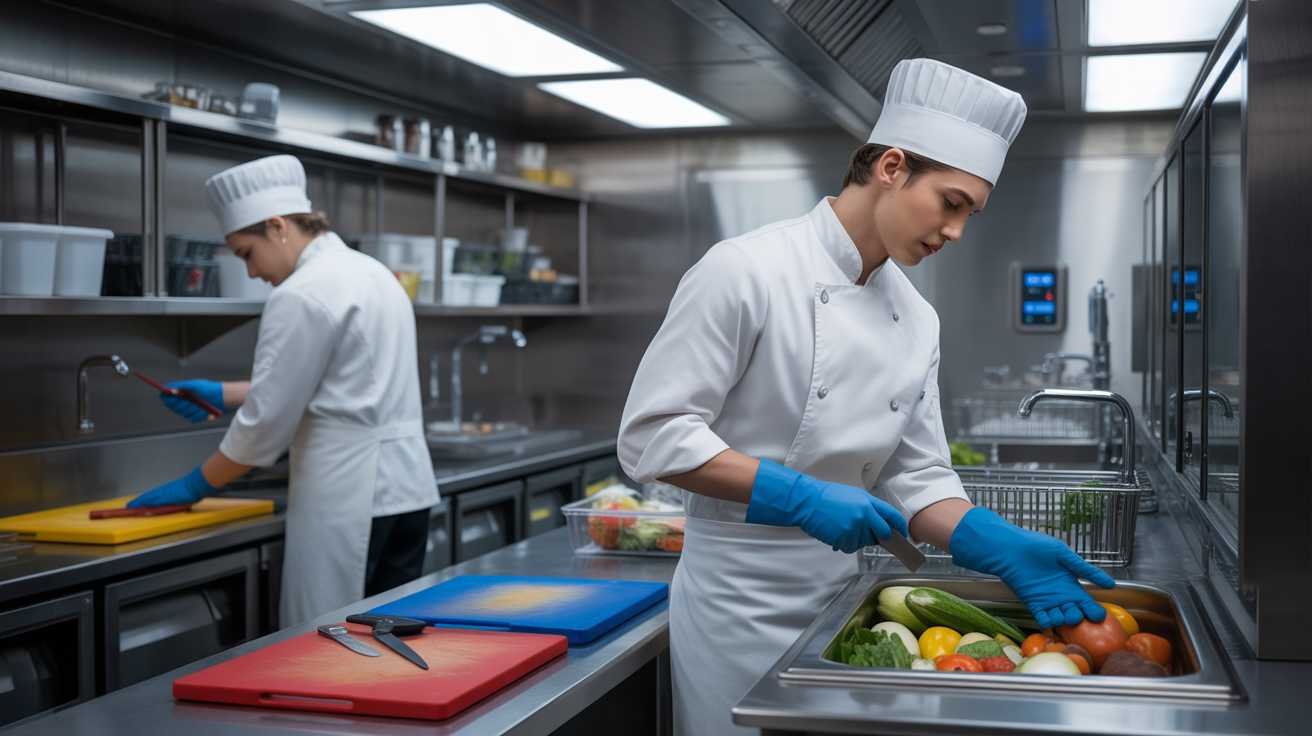
Foodborne illnesses are a silent epidemic, lurking in kitchens, restaurants, and markets, waiting to strike. They’re not just inconvenient – they can be life-threatening. The urgency to prevent them has never been greater. With every meal, the risk is real. But here’s the good news: you have the power to protect yourself, your family, and your customers. The clock is ticking, and the stakes are high. Don’t wait for an outbreak to hit close to home. Act now, and act decisively.
Understanding the Silent Threat: What Is Foodborne Illness?
Imagine biting into a seemingly innocent sandwich, only to find yourself battling nausea, vomiting, or worse, within hours. This is the reality of foodborne illness. Caused by harmful bacteria, viruses, or parasites, these pathogens can be present in contaminated food or water. The symptoms can range from mild discomfort to severe dehydration, hospitalization, or even death. The World Health Organization reports that nearly 1 in 10 people worldwide fall ill after eating contaminated food each year. In the Philippines, the Department of Health has warned that foodborne diseases are among the top causes of morbidity, especially during the rainy season when waterborne pathogens thrive.
But it’s not just about the immediate effects. Long-term consequences can include chronic digestive issues, kidney failure, or neurological disorders. The elderly, children, pregnant women, and those with weakened immune systems are particularly vulnerable. The urgency to prevent these illnesses cannot be overstated. Every meal, every bite carries a risk. But armed with knowledge and vigilance, you can turn the tide in your favor.
Proper Hand Hygiene: The First Line of Defense
Before you even think about food preparation, think about your hands. They’re the primary vehicles for transferring harmful pathogens into your food. A study by the Centers for Disease Control and Prevention (CDC) found that improper hand hygiene is a leading cause of foodborne illness outbreaks. Washing your hands with soap and water for at least 20 seconds before handling food can reduce the risk by over 90%. This simple act is your first line of defense against invisible threats.
But it’s not just about washing your hands. It’s about doing it correctly. Scrub all surfaces, including the backs of your hands, between your fingers, and under your nails. Dry your hands with a clean towel or air dryer. Avoid touching your face, especially your eyes, nose, and mouth, after washing. In restaurants and markets, ensure that handwashing stations are stocked with soap, clean water, and disposable towels. Remember, complacency is your enemy. The moment you skip this step is the moment you invite danger into your kitchen.
Safe Food Handling: From Purchase to Plate
Food safety doesn’t end at the sink. It extends to every step of food handling. From the moment you purchase ingredients to the moment you serve a dish, vigilance is key. When shopping, inspect food labels for expiration dates and signs of damage. In markets, ensure that perishable items are stored at the correct temperatures. At home, refrigerate or freeze items promptly. The USDA recommends refrigerating perishable foods within two hours of purchase, or within one hour if the ambient temperature is above 90°F (32°C).
In restaurants, establish strict protocols for receiving, storing, and preparing food. Use color-coded cutting boards to prevent cross-contamination. Store raw meats separately from ready-to-eat foods. Regularly check and record refrigerator and freezer temperatures. These practices are not optional – they’re essential. The risk of cross-contamination is ever-present. One careless mistake can lead to widespread illness. But with diligence and discipline, you can maintain a safe food environment.
Cooking Temperatures: The Heat That Kills
Cooking is not just about taste – it’s about safety. Undercooked food is a breeding ground for pathogens. The CDC advises cooking meats to the following internal temperatures: ground meats to 160°F (71°C), poultry to 165°F (74°C), and seafood to 145°F (63°C). Use a food thermometer to ensure accuracy. Relying on appearance alone is a gamble you can’t afford to take.
In restaurants, invest in high-quality thermometers and train staff to use them consistently. Implement routine checks during food preparation and service. In markets, educate vendors about the importance of cooking temperatures and encourage them to use thermometers. Remember, pathogens are invisible, but heat makes them visible. The sizzling sound of food cooking to the right temperature is your assurance of safety.
Cross-Contamination: The Hidden Culprit
Cross-contamination is the silent saboteur of food safety. It’s the transfer of harmful microorganisms from one surface or food item to another. This can happen when raw meats touch vegetables, or when unwashed hands handle ready-to-eat foods. The CDC estimates that cross-contamination is responsible for a significant percentage of foodborne illness outbreaks. In restaurants, use separate utensils and cutting boards for raw and cooked foods. In markets, ensure that vendors store raw and ready-to-eat items separately and use separate equipment for each.
At home, practice the “clean, separate, cook, chill” method. Clean surfaces and utensils before and after use. Separate raw meats from other foods. Cook foods to the recommended temperatures. Chill leftovers promptly. These steps are simple but powerful. They create a barrier against the invisible threats that lurk in your kitchen. Don’t let complacency break that barrier. The cost of a single lapse can be measured in illness, hospital bills, and regret.
Food Storage: The Cold Chain Commitment
Temperature control is critical in food storage. The “danger zone” for bacterial growth is between 40°F (4°C) and 140°F (60°C). Foods should be kept out of this range as much as possible. Refrigerators should be set at or below 40°F (4°C), and freezers at 0°F (-18°C). In restaurants, regularly monitor and log appliance temperatures. In markets, encourage vendors to use ice or refrigerated units for perishable items. At home, avoid overloading refrigerators, as this can impede air circulation and temperature regulation.
The consequences of improper storage are dire. Bacteria multiply rapidly at unsafe temperatures, leading to increased risk of foodborne illness. The USDA reports that nearly 48 million Americans fall ill from foodborne diseases each year, with improper storage being a significant contributing factor. Don’t let your kitchen become a breeding ground for bacteria. Make temperature control a non-negotiable priority. The cold chain is your shield – don’t let it break.
Personal Hygiene: Beyond the Basics
Personal hygiene extends beyond handwashing. It encompasses overall cleanliness and habits that prevent contamination. In restaurants, staff should wear clean uniforms, tie back hair, and avoid wearing jewelry that can harbor bacteria. In markets, vendors should wear gloves when handling ready-to-eat foods and avoid touching their faces. At home, ensure that everyone involved in food preparation practices good hygiene. This includes wearing clean clothing, tying back long hair, and avoiding touching food with bare hands when possible.
The importance of personal hygiene cannot be overstated. A study by the CDC found that food workers with poor hygiene practices are more likely to be involved in outbreaks of foodborne illness. In restaurants, implement regular hygiene training and monitoring. In markets, educate vendors about the importance of personal cleanliness and its impact on food safety. At home, lead by example. Your habits set the standard for others. The next time you prepare a meal, remember: your hygiene is the first line of defense against contamination.
Education and Training: Knowledge Is Power
Education and training are the cornerstones of food safety. In restaurants, provide regular training sessions for all staff on food safety practices. In markets, offer workshops for vendors on topics like proper food handling, storage, and personal hygiene. At home, educate your family about the importance of food safety and involve them in practices like handwashing and proper food storage.
The impact of education is profound. The CDC reports that food safety education can significantly reduce the incidence of foodborne illness. In restaurants, well-trained staff are more likely to adhere to safety protocols, reducing the risk of outbreaks. In markets, educated vendors are better equipped to handle food safely, protecting their customers. At home, educated families are more likely to practice safe food handling, reducing the risk of illness. Don’t underestimate the power of knowledge. It transforms behavior and saves lives.
In conclusion, preventing foodborne illness is not just a responsibility – it’s a necessity. Whether you’re at home, in a restaurant, or at a market, the risk is real, but so is the solution. By implementing these guidelines, you can protect yourself, your loved ones, and your customers from the dangers of foodborne illness. Don’t wait for an outbreak to occur. Take action now. The cost of inaction is too high. Your health, and the health of those around you, depends on it.
