
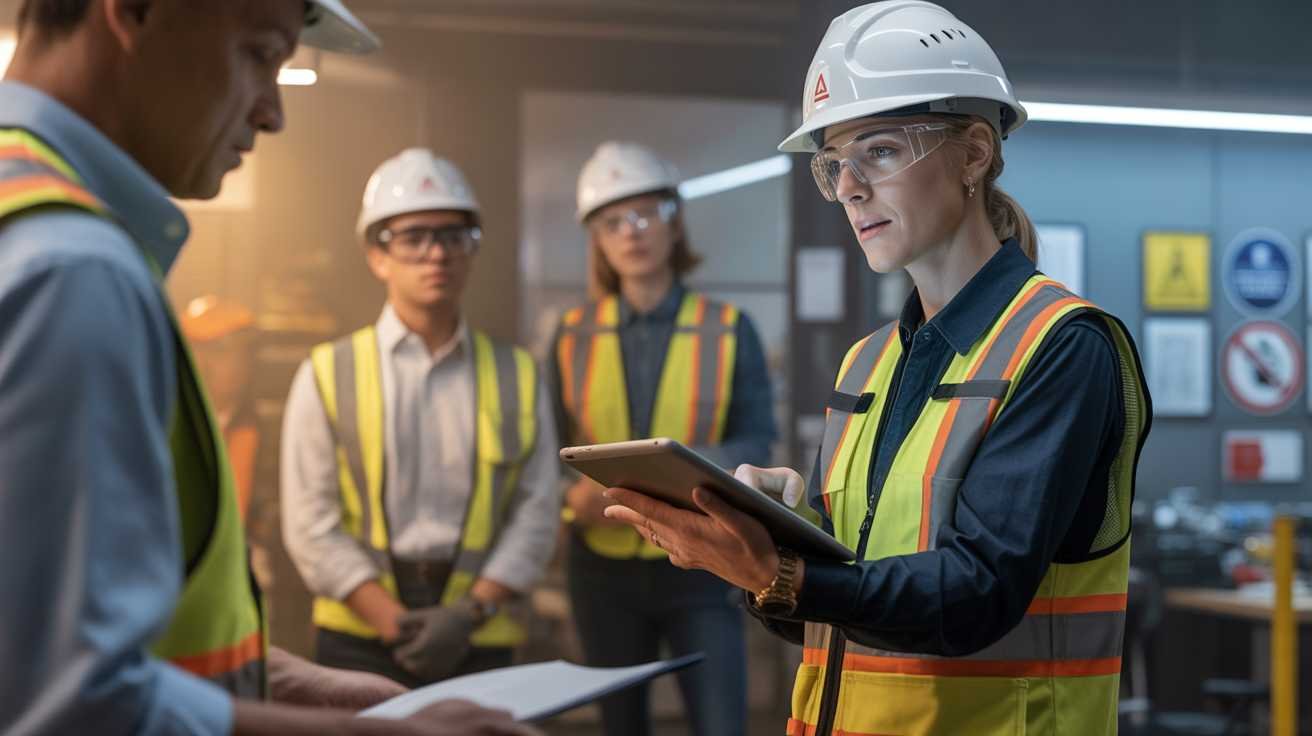
Every day, countless workers step into environments filled with unseen hazards – slippery floors, malfunctioning equipment, and invisible toxins. The urgency to address these dangers cannot be overstated. Without immediate and effective intervention, the consequences are not just statistics; they are real people suffering real harm. This article delves into the most critical measures for preventing workplace accidents and health-related incidents, offering actionable strategies to safeguard employees and ensure a thriving, compliant workplace.
Implementing Comprehensive Safety Training Programs
Imagine a workplace where every employee is equipped with the knowledge to identify and mitigate risks. This vision becomes reality through robust safety training programs. These programs should be more than mere formalities; they must be immersive, engaging, and tailored to the specific hazards of the workplace. Utilizing virtual reality simulations, hands-on demonstrations, and interactive modules can enhance learning and retention. Regular refresher courses ensure that safety remains a top priority and that employees are always prepared to act swiftly and correctly in the face of potential dangers.
The effectiveness of such training is evident in organizations that have adopted these methods. For instance, companies that incorporate scenario-based learning report a significant reduction in workplace accidents. Employees not only understand the theoretical aspects of safety but also gain practical experience in handling emergency situations. This approach fosters a culture of safety where employees are proactive rather than reactive, leading to a substantial decrease in incidents and injuries.
Conducting Regular Hazard Assessments and Audits
Hazards in the workplace are not static; they evolve with changes in equipment, processes, and personnel. Regular hazard assessments and audits are vital to identify and address potential risks before they result in harm. These assessments should be systematic, involving detailed inspections of all areas, equipment, and practices. Engaging employees in this process can provide valuable insights, as they are often the first to notice emerging hazards.
Implementing a schedule for routine audits ensures that safety is continuously monitored and improved. These audits should not be limited to physical inspections but should also include reviews of safety protocols, incident reports, and employee feedback. By adopting a comprehensive approach, organizations can maintain a dynamic safety program that adapts to changing conditions and effectively mitigates risks.
Establishing Clear Reporting and Communication Channels
In many workplaces, employees hesitate to report hazards or incidents due to fear of reprisal or a lack of trust in management. Establishing clear, anonymous reporting channels can encourage employees to voice concerns without fear. These channels should be easily accessible and well-publicized, ensuring that all employees are aware of how and where to report potential issues.
Effective communication is also crucial in disseminating safety information and updates. Regular meetings, newsletters, and digital platforms can be used to keep employees informed about safety initiatives, changes in protocols, and lessons learned from past incidents. By fostering an environment of open communication, organizations can build trust and ensure that safety concerns are addressed promptly and effectively.
Providing Personal Protective Equipment (PPE) and Ensuring Its Proper Use
Personal Protective Equipment (PPE) serves as the last line of defense against workplace hazards. Providing employees with the appropriate PPE is essential, but equally important is ensuring that it is used correctly and consistently. Training employees on the proper use, maintenance, and limitations of their PPE can prevent misuse and enhance its effectiveness.
Regular inspections and replacements of PPE are necessary to maintain its protective qualities. Employers should establish protocols for checking the condition of PPE and replacing items that are worn or damaged. Encouraging a culture where wearing PPE is seen as a personal responsibility can further reduce the risk of injuries and health-related incidents in the workplace.
Implementing Ergonomic Solutions to Prevent Strain and Injury
Musculoskeletal disorders are among the most common workplace injuries, often resulting from repetitive motions, poor posture, or inadequate equipment. Implementing ergonomic solutions can significantly reduce the risk of these injuries. This includes designing workstations that promote proper posture, providing adjustable chairs and desks, and encouraging regular breaks to alleviate strain.
Employers should also educate employees about the importance of ergonomics and encourage them to report discomfort or pain. By proactively addressing ergonomic issues, organizations can prevent injuries, improve employee well-being, and enhance productivity. Incorporating ergonomic principles into the workplace design not only protects employees but also demonstrates a commitment to their health and safety.
Fostering a Safety-First Culture Through Leadership and Engagement
Leadership plays a pivotal role in shaping the safety culture of an organization. When leaders prioritize safety and demonstrate a commitment to protecting employees, it sets a standard for the entire workforce. This commitment should be evident in actions, not just words – such as participating in safety training, conducting regular safety meetings, and allocating resources to safety initiatives.
Engaging employees in safety efforts can further strengthen this culture. Involving them in decision-making processes, seeking their input on safety improvements, and recognizing their contributions to safety initiatives can foster a sense of ownership and responsibility. A safety-first culture leads to heightened awareness, reduced incidents, and a more cohesive and productive work environment.
Utilizing Technology and Data Analytics for Predictive Safety Measures
Advancements in technology offer new opportunities to enhance workplace safety. Utilizing data analytics can help identify patterns and predict potential hazards before they result in incidents. By analyzing data from various sources – such as incident reports, equipment maintenance logs, and employee feedback – organizations can gain insights into emerging risks and take proactive measures to address them.
Implementing wearable technology that monitors vital signs and environmental conditions can provide real-time data on employee health and safety. This information can be used to detect early signs of fatigue, stress, or exposure to hazardous conditions, allowing for timely interventions. Embracing technology in safety practices not only improves outcomes but also demonstrates a forward-thinking approach to employee well-being.
Ensuring Compliance with Legal and Regulatory Safety Standards
Compliance with legal and regulatory safety standards is not optional – it is a fundamental responsibility of employers. Adhering to these standards ensures that organizations provide a safe working environment and avoid legal repercussions. Regularly reviewing and updating safety policies to align with current laws and regulations is essential.
Employers should also stay informed about changes in safety legislation and industry best practices. Participating in industry associations, attending safety seminars, and consulting with safety experts can provide valuable knowledge and resources. By maintaining compliance, organizations protect their employees and their business interests, fostering a reputation as a responsible and ethical employer.
Don’t wait for an accident to occur. Take action now to implement these measures and create a safer, healthier workplace. Your employees deserve it, and your business depends on it.
