
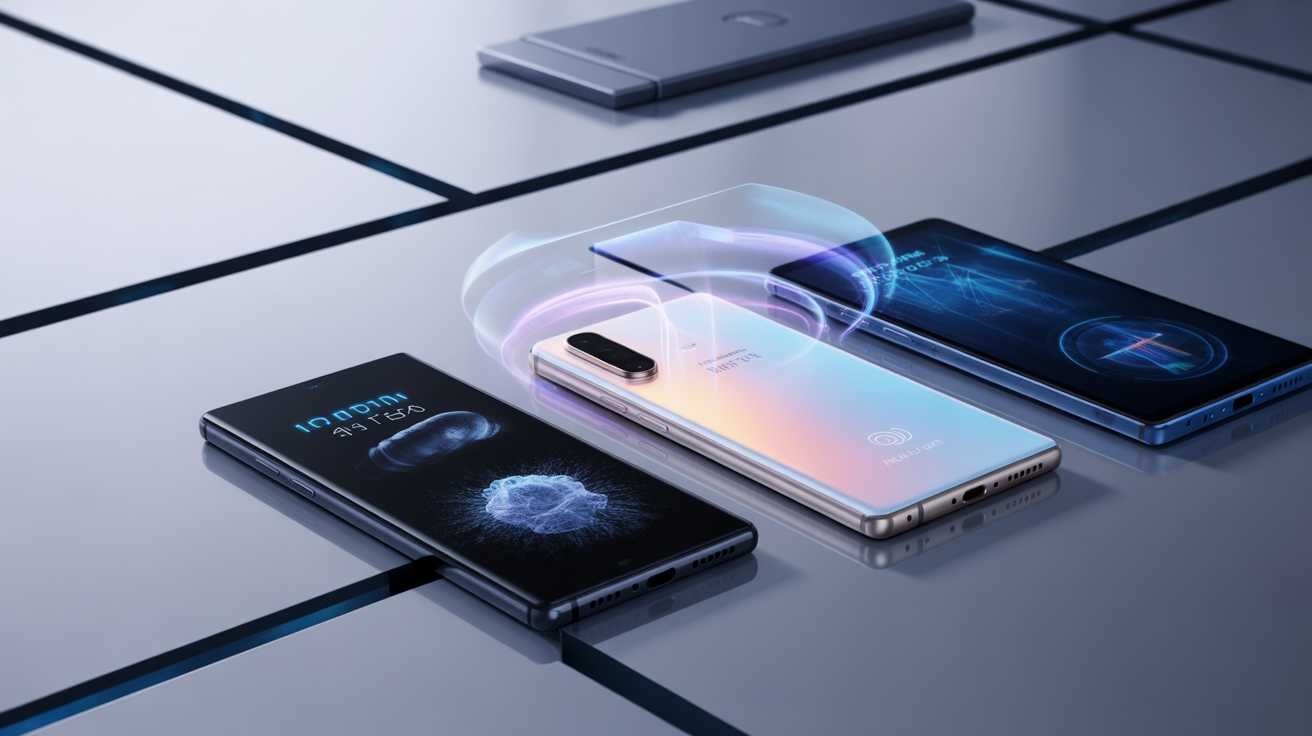
In the fast-paced world of technology, staying ahead means embracing the future today. The year 2025 is witnessing a monumental shift in smartphone innovation, where artificial intelligence (AI) isn’t just an add-on but the very core of user experience. From AI-powered photography to real-time language translation, the upcoming smartphones are set to redefine our digital interactions. If you’re still holding onto that old device, now is the time to upgrade. Don’t miss out on the future – it’s unfolding right before your eyes.
The Dawn of AI-First Smartphones
Imagine a smartphone that understands your needs before you even express them. This isn’t science fiction; it’s the reality of AI-first smartphones. Leading the charge is the Samsung Galaxy S25 Ultra, a device that seamlessly integrates AI into every facet. With its dual AI engines – Galaxy AI and Google’s Gemini AI – this flagship offers features like Seamless Actions, where a single voice command can perform multiple tasks across apps. Whether it’s booking a table at a café from a social media post or extracting a location from a video, the Galaxy S25 Ultra makes it possible. The AI camera system ensures every shot is perfect, adjusting settings automatically for optimal results. This level of integration signifies a paradigm shift in how we interact with our devices, making them more intuitive and responsive to our needs.
AI-Powered Photography: Capturing Moments Like Never Before
Photography enthusiasts are in for a treat with the advancements in AI-powered cameras. The Google Pixel 10 Pro and iPhone 16 Pro Max are at the forefront, offering unparalleled imaging capabilities. The Pixel 10 Pro’s AI camera system utilizes Google’s Tensor G5 chip to enhance image processing, resulting in stunning photos even in challenging lighting conditions. Features like Magic Editor allow users to make professional-grade edits effortlessly. Similarly, the iPhone 16 Pro Max incorporates Apple’s AI algorithms to improve image quality, offering features like Smart HDR and Deep Fusion for lifelike photos. These advancements ensure that every moment is captured with exceptional clarity and detail, making professional-quality photography accessible to all.
Revolutionizing Communication with Real-Time Translation
Communication barriers are being dismantled with the introduction of real-time language translation in smartphones. The iPhone 16 Pro Max, equipped with AI-enhanced Siri, offers real-time smart translation, enabling users to converse effortlessly in different languages. This feature is particularly beneficial for travelers and professionals working in multicultural environments, as it facilitates seamless communication without the need for third-party translation apps. By integrating AI into communication tools, smartphones are becoming more inclusive, bridging gaps and fostering global connections.
AI in Education: Shaping the Future of Learning
Artificial intelligence is making significant strides in the education sector, transforming traditional learning methods. Educational institutions are increasingly adopting AI tools to personalize learning experiences, automate administrative tasks, and provide real-time feedback to students. AI-powered platforms can analyze student performance data to tailor lesson plans, ensuring that each student receives the support they need to succeed. Additionally, AI is being used to develop intelligent tutoring systems that provide personalized instruction, helping students grasp complex concepts at their own pace. This integration of AI in education is not only enhancing learning outcomes but also preparing students for a future where digital literacy is paramount.
Enhanced Security Features: Protecting Your Digital Life
As our lives become more intertwined with digital platforms, ensuring the security of our personal information is paramount. Upcoming smartphones are incorporating advanced AI-driven security features to safeguard user data. Facial recognition technology has become more sophisticated, utilizing AI algorithms to accurately identify users, even in low-light conditions. Additionally, AI is being used to detect unusual activity on devices, such as unauthorized access attempts or malware, providing real-time alerts to users. These advancements in AI security ensure that personal information remains protected, giving users peace of mind in an increasingly digital world.
Battery Life and Efficiency: AI Optimizing Power Consumption
One of the most pressing concerns for smartphone users is battery life. With the integration of AI, upcoming smartphones are becoming more energy-efficient. AI algorithms can analyze user behavior to optimize power consumption, ensuring that the device lasts longer on a single charge. For instance, AI can learn which apps are used most frequently and allocate resources accordingly, while minimizing background activity for less-used apps. Additionally, AI can manage screen brightness and other settings based on environmental conditions, further conserving battery life. These advancements mean that users can enjoy extended usage without constantly worrying about charging their devices.
Foldable and Flexible Displays: The Future of Smartphone Design
The design of smartphones is evolving, with foldable and flexible displays leading the way. The Huawei Pura X is a prime example, featuring a vertical folding design that offers a compact form factor without compromising on screen size. When unfolded, the device provides a spacious display for immersive viewing experiences. These innovative designs not only enhance the aesthetic appeal of smartphones but also offer practical benefits, such as increased screen real estate in a portable form. As technology advances, we can expect even more creative and functional designs that push the boundaries of traditional smartphone form factors.
AI-Driven Personal Assistants: Your Digital Companion
Personal assistants powered by artificial intelligence are becoming more intelligent and capable, offering users a seamless and intuitive experience. These AI-driven assistants can manage tasks such as setting reminders, sending messages, and providing real-time information, all through natural language commands. The integration of AI allows these assistants to understand context, learn user preferences, and anticipate needs, making interactions more personalized and efficient. As AI technology continues to evolve, personal assistants will become even more adept at managing daily tasks, serving as indispensable companions in our digital lives.
5G and Beyond: The Backbone of AI Integration
The rollout of 5G networks is providing the necessary infrastructure for advanced AI features to function seamlessly. With faster data speeds and lower latency, 5G enables real-time processing of AI algorithms, enhancing the performance of applications that rely on artificial intelligence. This includes features such as real-time language translation, augmented reality experiences, and cloud-based AI processing. As 5G networks continue to expand globally, the integration of AI in smartphones will become more robust, offering users enhanced experiences that were previously not possible. The convergence of 5G and AI is set to revolutionize how we interact with our devices, making them more responsive and capable.
In conclusion, the future of smartphones is here, and it’s powered by artificial intelligence. From enhanced photography to real-time communication and personalized learning experiences, AI is transforming how we interact with our devices and the world around us. As these technologies continue to evolve, staying informed and adaptable is crucial. Don’t let the future pass you by – embrace the advancements today and be part of the digital revolution.
