
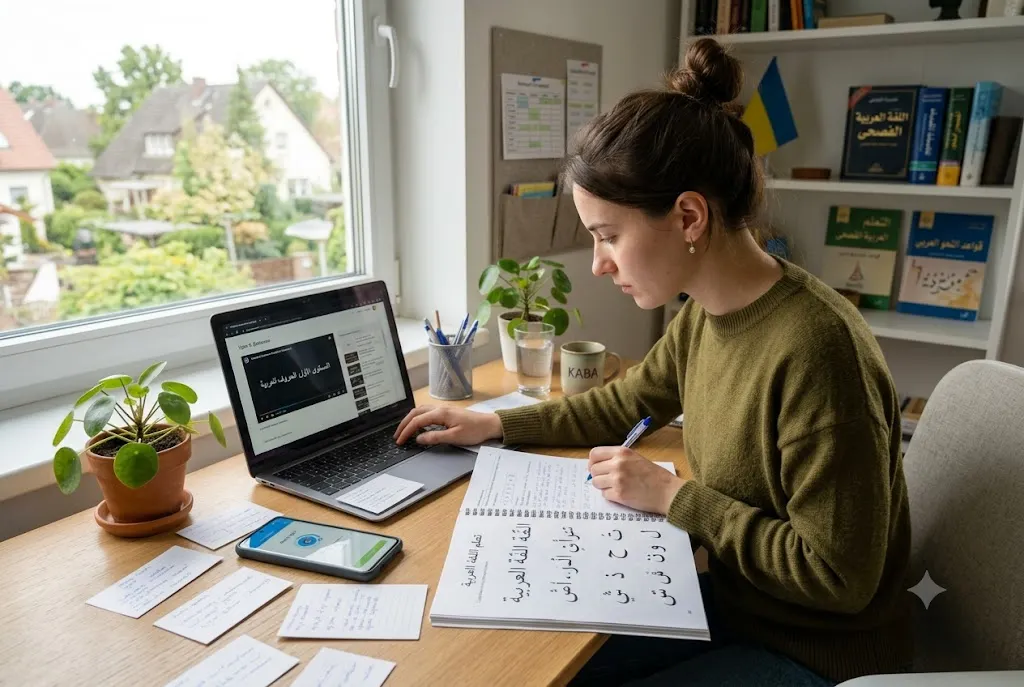
Finding the right learn arabic language app can make a significant difference in your language-learning journey. Whether you want to communicate with Arabic speakers, understand Arabic literature, travel confidently, or prepare for religious studies, modern learning apps provide structured lessons, interactive exercises, and flexible study schedules. However, choosing the right platform and combining it with effective learning strategies is essential for long-term success.
In this guide, we’ll explore how Arabic learning apps work, what features matter most, and how to combine digital tools with other arabic language learning resources to achieve meaningful progress.
Why Use a Learn Arabic Language App?
Language learning apps have transformed how people study Arabic. Instead of attending fixed classroom sessions, learners can practice vocabulary, pronunciation, listening, reading, and grammar whenever they have free time.
A quality Arabic learning app helps users:
- Study at their own pace
- Build vocabulary systematically
- Improve pronunciation through audio practice
- Track learning progress
- Practice daily through short lessons
- Develop reading and listening comprehension skills
For busy students and professionals, mobile learning creates flexibility that traditional learning methods often cannot provide.
Key Features to Look for in a Learn Arabic Language App
Not all language-learning applications offer the same experience. Before choosing a platform, consider whether it includes the features needed for your learning goals.
Interactive Lessons
Interactive exercises improve retention by encouraging active participation rather than passive reading. Look for apps that include quizzes, matching exercises, and practical conversations.
Native Speaker Audio
Arabic pronunciation can be challenging for beginners. Apps that provide recordings from native speakers help learners develop proper listening and speaking skills.
Progress Tracking
Tracking achievements keeps motivation high. Many modern apps offer streak systems, lesson completion statistics, and personalized recommendations.
Dialect and Modern Standard Arabic Support
Some learners need Modern Standard Arabic (MSA), while others want conversational dialects. A flexible app should clearly identify which variety of Arabic is being taught.
Best Way to Learn Arabic Language Effectively
Although apps are useful, the best way to learn Arabic language involves combining multiple learning methods.
Successful learners often follow a balanced approach that includes:
- Daily app-based practice
- Listening to Arabic audio
- Reading beginner texts
- Speaking with native speakers
- Learning common sentence patterns
- Reviewing vocabulary consistently
Consistency matters more than study duration. Practicing for 20 to 30 minutes every day often produces better results than several hours once a week.
Arabic Language Learning Resources Beyond Apps
Apps work best when paired with additional arabic language learning resources. Using multiple sources exposes learners to different teaching styles and language contexts.
Helpful resources include:
- Language-learning websites
- Online tutoring platforms
- Arabic podcasts
- YouTube educational channels
- Flashcard systems
- Digital dictionaries
- Reading materials for beginners
The Encyclopaedia Britannica’s Arabic language overview provides useful background information about the language’s history and development.
Books for Learning Arabic Language
Many learners still benefit from traditional study materials. Quality books for learning Arabic language often provide deeper explanations than mobile applications.
Books can help learners:
- Understand grammar concepts
- Practice structured reading
- Build writing skills
- Review lessons without screen distractions
Combining a reliable textbook with a language-learning app often creates a more comprehensive learning experience.
Common Challenges Arabic Learners Face
Arabic is considered a rewarding but challenging language. Understanding potential obstacles helps learners stay motivated.
Learning a New Alphabet
Beginners must first become comfortable reading Arabic script. Fortunately, many modern apps include alphabet-focused lessons and handwriting practice.
Pronunciation Differences
Arabic contains sounds that may not exist in English or other languages. Repeated listening and speaking exercises can help learners master these sounds over time.
Vocabulary Retention
Remembering new words requires regular review. Many apps use spaced repetition systems to improve long-term memory retention.
How Online Learning Accelerates Arabic Fluency
Online learning has created new opportunities for language students worldwide. Beyond app-based study, learners can participate in virtual classes, conversation groups, and live tutoring sessions.
Those interested in religious studies may also benefit from specialized programs. For example, learners who eventually want to learn Quranic Arabic language online often begin by building a foundation in vocabulary, pronunciation, and reading skills through beginner Arabic learning tools.
Building a Long-Term Arabic Study Plan
Success in Arabic learning depends on maintaining a sustainable routine.
A practical weekly plan might include:
- Daily app lessons (20–30 minutes)
- Listening practice three times per week
- Reading simple Arabic texts twice per week
- Vocabulary review sessions
- Weekly conversation practice
As your skills improve, exploring related language-learning journeys such as learn Urdu language can also provide interesting insights into shared vocabulary and cultural connections across regional languages.
Choosing the Right Learn Arabic Language App for Your Goals
The ideal app depends on your personal objectives. Some learners focus on travel communication, while others want academic proficiency, professional skills, or religious understanding.
Before selecting an app, ask yourself:
- Do I need Modern Standard Arabic or a dialect?
- Am I learning for travel, work, education, or personal interest?
- Do I prefer self-study or guided instruction?
- How much time can I dedicate each day?
Answering these questions will help narrow your options and improve your chances of staying committed to the learning process.
Final Thoughts
A quality learn arabic language app can provide structure, convenience, and motivation for learners at every level. However, apps deliver the best results when combined with reading practice, listening exercises, books, and real-world language exposure. By using a variety of Arabic language learning resources and maintaining a consistent study routine, learners can steadily develop confidence and fluency over time.